
The Smartest Health Habit You’ll Ever Start
Convenient, affordable, and packed with pure nutrients – because taking care of yourself should be easy. Learn more about the nutritional benefits provided by our products.
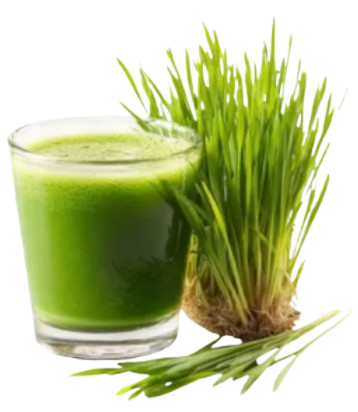
Wheatgrass Juice Benefits
Wheatgrass contains a wide range of nutrients that may provide numerous health benefits, including:
Wheatgrass is rich in chlorophyll, which helps cleanse the liver, eliminate toxins, and support the body’s natural detox pathways.
Wheatgrass can improve oxygen flow and nutrient absorption in the body, providing a natural energy boost without caffeine or sugar.
Packed with antioxidants, wheatgrass helps strengthen the immune system by neutralizing free radicals and supporting cell health.
Wheatgrass contains enzymes and fiber that help support digestion, reduce bloating, and improve nutrient absorption in the gut.
Wheatgrass has anti-inflammatory properties that can help reduce oxidative stress, ease joint pain, and support recovery from workouts or illness.
The chlorophyll, vitamins, and antioxidants in wheatgrass may help fight acne, reduce redness, and promote a clearer, more radiant complexion.
Some studies suggest wheatgrass may help regulate blood sugar levels, making it a potentially useful supplement for those with insulin resistance or type 2 diabetes.
Wheatgrass can support metabolism and help reduce cravings by providing the body with concentrated nutrients in a low-calorie form.
- Vitamin A – Supports eye health and immune function
- Vitamin C – Helps with collagen production and immune defense
- Vitamin E – Protects cells from damage caused by free radicals
- Iron – Vital for red blood cell production and oxygen transport
- Magnesium – Supports nerve function and muscle recovery
- Calcium – Essential for bone strength and heart health
- Amino Acids – The building blocks of protein for tissue repair and growth
Note: Some people may experience nausea or digestive upset when starting wheatgrass. Start with a small amount and gradually increase as tolerated. Fresh wheatgrass juice is most potent when consumed on an empty stomach
Beet Juice Benefits
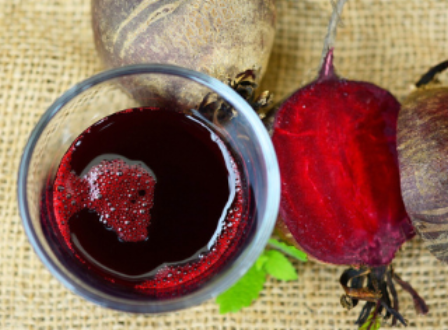
Beet juice contains many nutrients that can provide a variety of health benefits, including:
Beet juice can help improve athletic performance and reduce muscle fatigue by increasing blood flow and oxygen delivery to muscles.
Beet juice contains nitrates, which the body converts to nitric oxide. Nitric oxide relaxes blood vessels, which can reduce blood pressure.
Beet juice can help improve endothelial function and lower LDL cholesterol (“bad cholesterol”). It can also help prevent or reduce fatty deposits from forming in the liver.
Beet juice contains antioxidants and polyphenols that can neutralize free radicals and reduce oxidative stress.
Beet juice can help improve endothelial function and lower LDL cholesterol (“bad cholesterol”). It can also help prevent or reduce fatty deposits from forming in the liver.
Beet juice contains antioxidants and polyphenols that can neutralize free radicals and reduce oxidative stress.
Beet juice is high in fiber, which can help with digestion and prevent constipation.
Beet juice can lower fat levels by binding to bile acids, which prevents them from being reabsorbed in the bloodstream.
- Vitamin C: An antioxidant that helps boost immunity and defend cells against damage
- Potassium: An electrolyte that helps guard against muscle cramps, weakness, and fatigue
- Folate: Important for DNA and cell health
- Vitamin B-6: Supports metabolism and red blood cell production
- Calcium: An essential mineral for bone growth and strength
- Iron: Allows red blood cells to carry oxygen
Drinking beet juice may cause your urine and stools to look reddish, which is normal.